
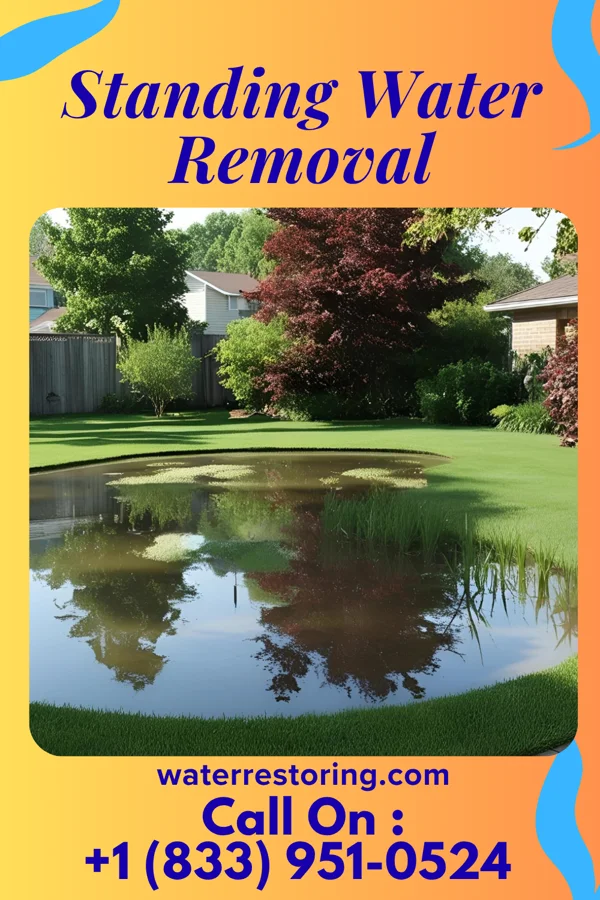
Ground-Water Standing Water in Garvin
Water damage in Garvin tends to cluster in predictable windows because of the local climate. In Garvin, Minnesota, water damage often stems from heavy spring rains and flooding due to its location near the Mississippi River and surrounding wetlands. Additionally, frozen ground thawing in early spring can lead to sudden water accumulation in low-lying areas, affecting homes and properties. A close second is Secondary causes include leaking septic tanks, burst pipes in older rural homes, and groundwater seepage into basements. These issues are common in the rural setting of Garvin, where infrastructure may not be as updated as in urban areas..
Garvin's climate, with its heavy spring rains and potential for flooding, increases the risk of water damage. The area's proximity to natural water bodies like the Mississippi River and wetlands also contributes to seasonal water accumulation.
Garvin's climate, with its heavy spring rains and potential for flooding, increases the risk of water damage. The area's proximity to natural water bodies like the Mississippi River and wetlands also contributes to seasonal water accumulation. The dominant local driver is In Garvin, Minnesota, water damage often stems from heavy spring rains and flooding due to its location near the Mississippi River and surrounding wetlands. Additionally, frozen ground thawing in early spring can lead to sudden water accumulation in low-lying areas, affecting homes and properties., with Secondary causes include leaking septic tanks, burst pipes in older rural homes, and groundwater seepage into basements. These issues are common in the rural setting of Garvin, where infrastructure may not be as updated as in urban areas. showing up as the next most common cause. Damage builds in stages. Spread. Absorption. Microbial growth. Structural compromise. Every stage you pass through adds to the final bill.